
East Coast Produce Expo 2026 Takeaways: Why “Value” Is Being Redefined in Fresh Produce
ECPE 2026 wasn’t just a look at where fresh produce is today — it was a preview of how quickly the rules are changing. Across the show, one message became…

January 21, 2026
4 min read

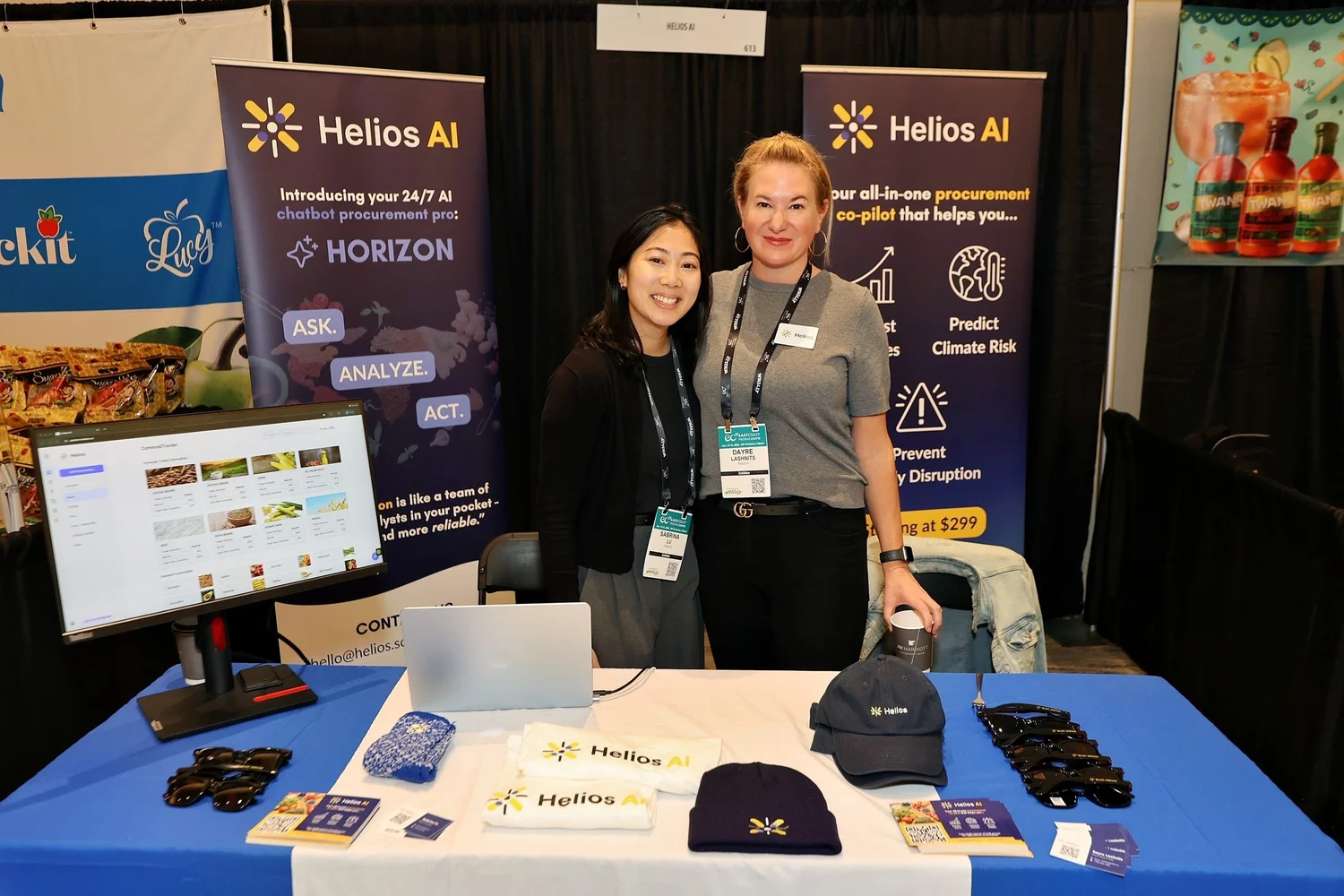
East Coast Produce Expo (ECPE) 2026 wasn’t just a look at where fresh produce is today; it was a preview of how quickly the rules are changing. Across the show, one message became increasingly clear: produce is no longer competing on price alone. It’s competing on relevance, trust, and perceived value in a retail environment where consumers are making sharper, more intentional choices.
If affordability defined much of the consumer mindset in 2025, ECPE pointed to 2026 as the year when value takes center stage, not as “cheap,” but as worth it. That reframing has implications well beyond marketing. It affects how demand materializes, how pricing holds, and how risk shows up across the supply chain.
Fresh Trends 2026: Consumer Insights Revealed
One of the strongest data-driven narratives at ECPE came from Fresh Trends 2026: Consumer Insights Revealed, which highlighted how meaningfully consumer behavior is shifting, especially among Gen Z and Millennials.

What stood out wasn’t just that younger shoppers buy produce differently, but that they are redefining what they consider valuable. Increasingly, value is tied to experience, differentiation, convenience, and alignment with personal goals rather than the lowest price. When those elements are present, younger consumers show a clear willingness to trade up.
A particularly compelling insight was the growing role of men as active produce shoppers. Data shared during the session showed men over-indexing in multiple specialty and organic categories, along with a higher stated willingness to pay for foods that support health, performance, and routine. Combined with trends like meal prep culture, online reordering, and efficiency-driven shopping, these points to an underserved segment that views produce as fuel—not just food.
Several signals from the session reinforced how this plays out at the shelf level:
Convenience and routine-building (meal prep, reordering, efficiency) are now core components of value
Differentiation—whether through specialty varieties or premium positioning—is increasingly rewarded
Younger consumers are driving growth by prioritizing products that feel intentional and distinctive
The implication is clear: demand is becoming more segmented, intentional, and narrative-driven, which makes traditional, one-size-fits-all assumptions about consumption less reliable.
Harnessing the Marketing Mindset of CPGs to Fuel Produce Consumption

Leaders from the session “Harnessing the Marketing Mindset of CPGs to Fuel Produce Consumption” at ECPE 2026:
Kevin Hamilton (U.S. Highbush Blueberry Council), Cristie Mather (Mushroom Council), John Cymbal (Molly Pop), Kim Chackal (Equifruit), moderated by Lance Burditt (Farm Journal) & Christina Herrick (The Packer).
That changing consumer landscape set the stage for Harnessing the Marketing Mindset of CPGs to Fuel Produce Consumption, which challenged the produce industry to rethink how it competes in a retail environment dominated by sophisticated consumer brands.
A recurring theme was that produce is no longer competing solely within its own aisle. It is competing with every consumer brand in the store for attention, loyalty, and trust. While health and sustainability remain essential, they are now baseline expectations rather than points of differentiation.
The panel emphasized that CPG success comes from combining functional benefits with emotional and behavioral drivers—using data, storytelling, and segmentation to build long-term loyalty rather than relying on price or promotion alone. For produce, this means translating inherent strengths into narratives and promises that resonate with how people actually shop today.
Key takeaways included:
Emotional connection can materially increase willingness to pay
Brand promises create trust, and trust stabilizes demand
Storytelling must evolve as culture changes, even if the product does not
Data and segmentation are critical to making these strategies repeatable and scalable
In short, the industry is being asked to move from transactional thinking to relationship-driven value creation.
What ECPE Signals About Volatility in 2026
Beneath the consumer and branding conversations at ECPE was a deeper strategic signal: volatility is becoming multidimensional. Climate disruption, geopolitical instability, and logistics challenges continue to affect supply—but shifting consumer values are now adding another layer of unpredictability on the demand side.
This aligns closely with what we’ve analyzed at Helios AI in our whitepaper, Global Commodity Outlook. Drawing on data pulled through Helios Horizon, our global predictive intelligence platform, the whitepaper examines how climate signals, regional disruptions, and commodity dynamics converged in 2025—and why we expect heightened price volatility across multiple commodities and regions in 2026.
DOWNLOAD THE WHITEPAPERThe key insight is that volatility is no longer isolated. Demand shocks, pricing pressure, and supply risk increasingly reinforce one another. When consumer behavior shifts faster than historical models can explain, the cost of reacting late grows significantly.
The Bottom Line from ECPE 2026
The core takeaway from ECPE 2026 is not that affordability no longer matters — it’s that affordability alone is no longer enough. Value has become layered, personal, and predictive.
Produce brands that win will be those that earn trust, communicate relevance, and deliver confidence. And the teams that support them — across sourcing, procurement, and supply chain — will be the ones equipped to see these shifts early and act before they become surprises.
In 2026, value isn’t just what consumers pay. It’s what they believe they’re getting — and whether they choose you again next time.


.png)

Personalized commodity intelligence for the teams that feed the world.
