
How War in One Region Becomes Higher Food Prices Everywhere
There's a gap between how fast conflict moves and how fast its consequences reach the people who grow our food. Wars make headlines. Freight surcharges come…

March 5, 2026
5 min read

There's a gap between how fast conflict moves and how fast its consequences reach the people who grow our food.
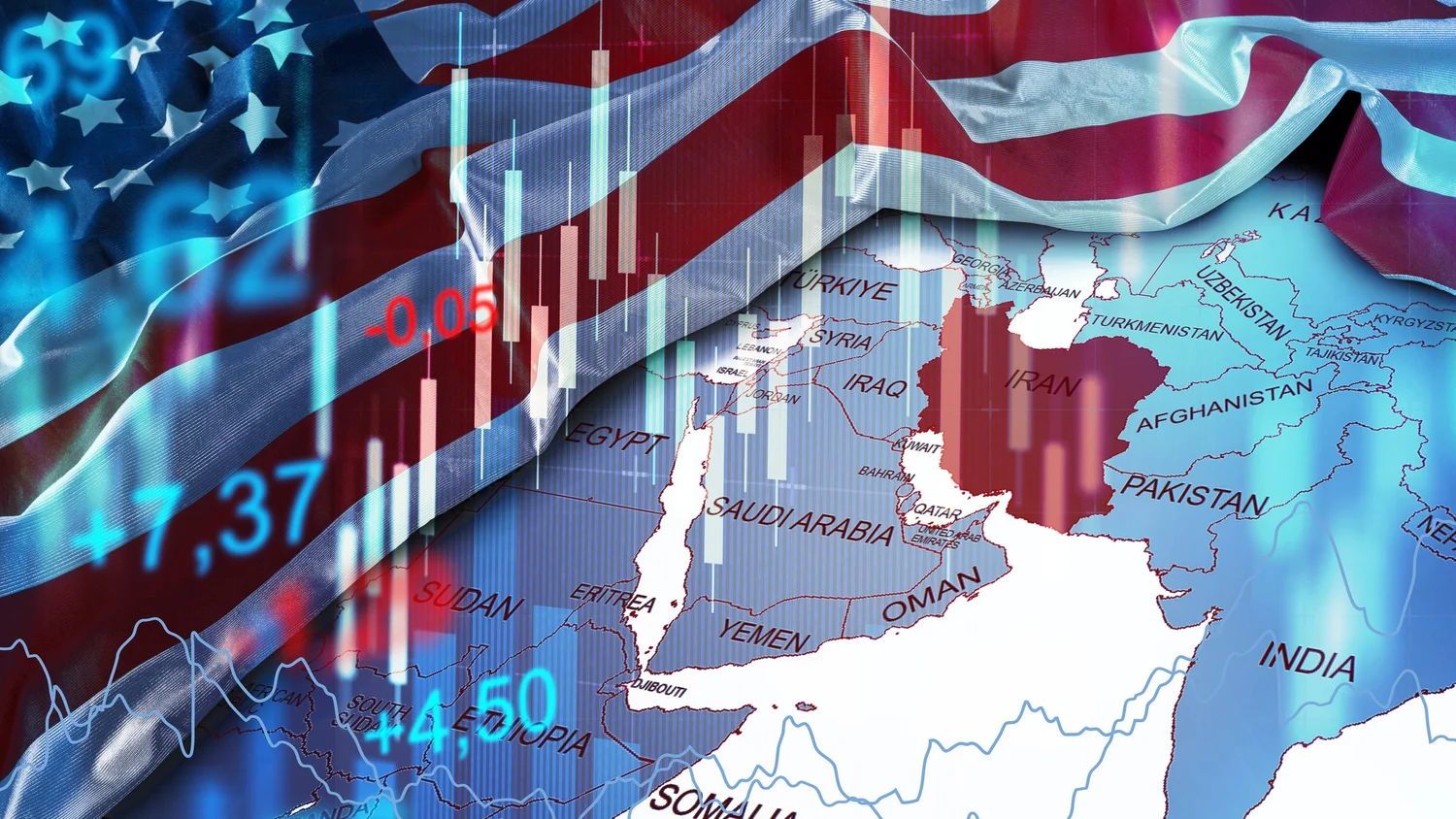
Wars make headlines. Freight surcharges come quietly. Fertilizer invoices arrive in the mail three months later. And by the time a small grower in Iowa or a cooperative in Ghana feels the full weight of a maritime disruption thousands of miles away, the world has already moved on to the next crisis.
We're not in one conflict. We're in many, simultaneously. And the cumulative pressure on the global food system is unlike anything supply chain professionals, agtech investors, or small farmers have faced in a generation.
What Does the Strait of Hormuz Closure Mean for Global Food Supply?
In late February 2026, escalating conflict in the Middle East triggered an immediate chain reaction across one of the world's most critical maritime corridors. Within days, vessel traffic through the Strait of Hormuz had fallen by roughly 70%. All five of the world's largest shipping lines issued operational halts or rerouting notices, redirecting vessels on multi-week detours around Africa's Cape of Good Hope.
The Strait is the chokepoint through which approximately 20% of the world's daily oil supply and 22% of global LNG exports pass. But here's what gets less coverage: it's also a critical corridor for nitrogen fertilizer exports. Those fertilizers were already in transit ahead of the Northern Hemisphere spring planting season. They are now stranded or significantly delayed, arriving precisely when farmers need certainty most, before they put seed in the ground.
Supply Chain Shocks Don’t Happen Once. They Compound.
When conflict erupted in Ukraine in February 2022, global grain markets convulsed. Ukraine saw commercial shipping from its ports collapse almost overnight, with exports reduced by up to 22 million metric tons from usual volumes. Grain prices spiked roughly 60% in the months that followed.
What came next was less visible but equally consequential: disruptions to fertilizer flows, restrictions on key supply corridors, and a drawn-out decline in maritime labor availability as conflict pulled workers away from trade routes.
The Red Sea situation compounded this further. Beginning in late 2023, commercial vessels faced sustained targeting, and container traffic through one of the world's most important trade corridors dropped by as much as 75%. Any hope of normalization was effectively cancelled by the most recent Hormuz disruption.
Crisis stacked on crisis, and the system hasn't been allowed to breathe between them.
Who Bears the Real Cost of Geopolitical Disruption in Agriculture?
Not the logistics executives on earnings calls. Not the commodity trading desks. The farmers do.
Here's what's happening on the ground right now, before the newest disruptions have fully worked their way through the system.
Fertilizer costs for corn growers are expected to average around $166 per acre in 2026, up over 5% from 2025 and approaching the record highs of 2022. Soybean growers face similar increases. According to the National Corn Growers Association, a farmer working 1,000 corn acres faces projected losses exceeding $160,000 for the year, roughly twice the median US household income. Operating costs per corn acre are projected at $917 in 2026, nearly identical to the 2022 record, but the market price per bushel is 37% lower than it was that year. Economists project roughly $44 billion in net cash income losses across major US crops for the 2025–26 season.

The math doesn't work. And that was before the Strait of Hormuz closed.
For small growers and farming cooperatives in import-dependent regions like Sub-Saharan Africa, South Asia, and parts of Latin America, the numbers are even more severe. These farmers were already applying less fertilizer than optimal due to cost pressures. When global supplies tighten, they don't just get squeezed. They get priced out entirely. Yield drops follow. Local food security follows that.
When Disruptions Stack on Top of Each Other
What makes this moment structurally different from past disruptions is the layering effect.
Each individual conflict gets analyzed in isolation. But conflicts are not experienced in isolation by the food system. They compound. A farmer planning spring inputs right now is contending simultaneously with fertilizer supply chains disrupted by ongoing conflict in Eastern Europe, shipping costs inflated by Red Sea rerouting that's persisted for over two years, an acute new Gulf crisis restricting nitrogen fertilizer and LNG flows, export restrictions from key fertilizer-producing nations tightening global supply, and energy price volatility that reverberates directly into the cost of every input.
No single factor would break the system. Together, they create a chronic state of margin erosion that most small and mid-sized growers simply cannot sustain. The World Bank estimated roughly a 21% increase in global fertilizer prices between 2024 and 2025. That was before this week.
Where Are Your Blind Spots?
The agtech investment community has become far more sophisticated about climate risk. Drought modeling, heat stress analysis, and crop yield prediction are now well-established categories of agricultural intelligence. Geopolitical risk has not kept pace.
Most procurement teams still manage conflict-driven disruption reactively. They hear about shipping corridor closures when freight forwarders send alerts and learn about fertilizer shortages when suppliers raise prices with little notice. By the time the signal reaches procurement teams, the disruption is already moving through the system.
The examples earlier in this story show why that gap matters. When vessel traffic through the Strait of Hormuz collapses, fertilizer shipments stall. When the Red Sea becomes unsafe, freight costs surge. When conflicts stack on top of each other, those disruptions accumulate across the food system and eventually surface in farm margins, input costs, and food prices. In a world of overlapping crises, reacting is no longer enough. The supply chains that remain resilient will be the ones able to anticipate disruption before it cascades through global markets.
Anticipating the Next Shock: The New Layer of Supply Chain Intelligence
As geopolitical shocks become a more frequent driver of supply volatility, anticipating disruption earlier in the system is becoming critical for agri-food businesses. Shipping chokepoints, fertilizer exports, trade flows, and weather patterns all interact to shape the cost and availability of agricultural inputs, and understanding how those signals connect is increasingly necessary for procurement teams trying to secure supply and protect margins.
Platforms like Helios AI are being built around this challenge, combining climate signals, trade flows, and real-time disruption monitoring across global commodity markets to help food companies see risks forming earlier. When fertilizer supply corridors tighten or shipping routes close, the difference between recognizing that shift early and reacting weeks later can determine whether procurement teams absorb a price spike or avoid it.
As climate volatility and geopolitical conflict increasingly overlap, foresight across the food supply chain will matter more than ever. If you are navigating sourcing decisions in this environment and want to understand how companies are using predictive intelligence to stay ahead of disruptions, you can book a demo with Helios AI or reach out to [email protected] to learn more.


.png)

Personalized commodity intelligence for the teams that feed the world.
