
Wheat Looks Fine. It Isn't.
The signals that matter right now aren't in the spot price. They're in the climate dashboards, the geopolitical fault lines, and the regional supply shifts…

March 12, 2026
3 min read
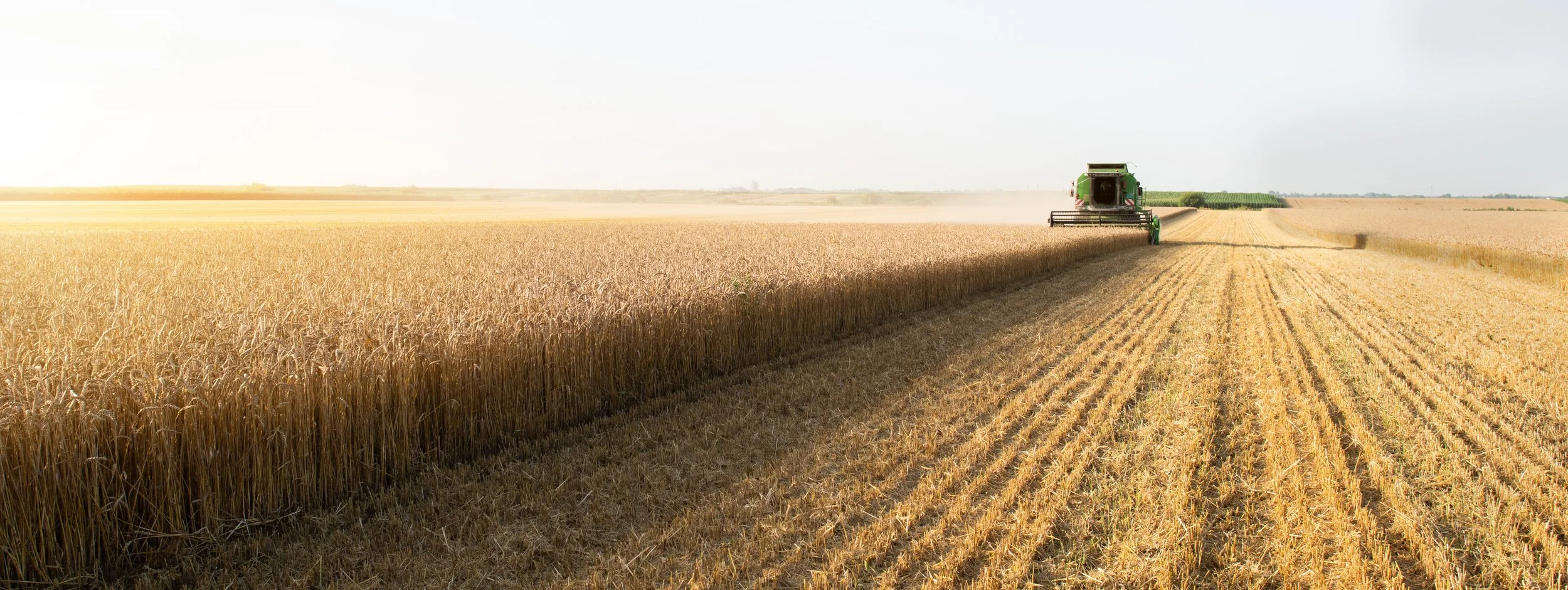
Low prices. Full stocks. A brewing supply chain is quietly coming apart at the seams.
Beer supply chains are under pressure from three directions at once. Join experts with years of experience at AB InBev and Molson Coors on March 31 for the brewing industry's supply chain playbook.
Prices are low. Global wheat stocks are near record highs. Every headline says the same thing: the market is well-supplied; don't panic.
Here's the problem: the last time procurement teams took 'well-supplied' at face value, they spent the following six months explaining cost overruns to their CFOs.
The signals that matter right now aren't in the spot price. They're in the climate dashboards, the geopolitical fault lines, and the regional supply shifts that won't show up in a Bloomberg alert until it's already too late to act. And for anyone sourcing wheat, barley, or hops for a brewing supply chain, this is the moment to be paying very close attention.
Why Does Wheat Look Stable When the Climate Data Says Otherwise?
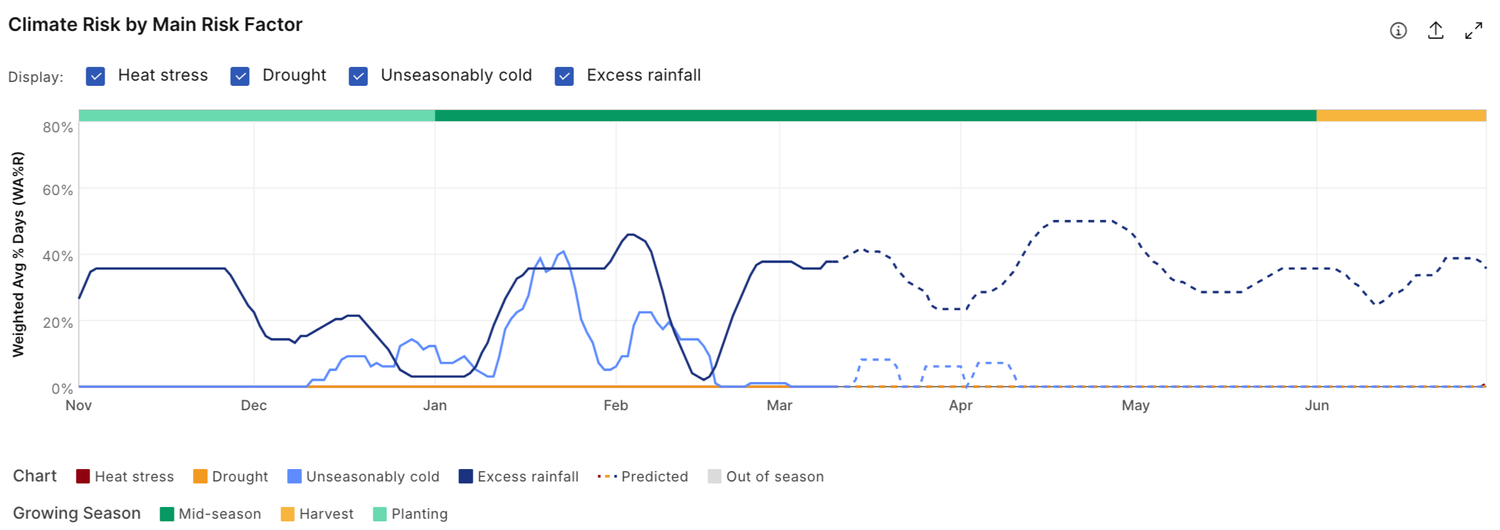
Ukraine's Kherson Oblast — one of the most important wheat-producing regions feeding Black Sea export flows — has been under persistent excess rainfall stress since November. That moisture burden is now forecast to extend through April and May, precisely when wheat enters its critical grain-filling phase.
This matters in a way that tonnage forecasts miss entirely. Sustained excess rainfall during grain-filling doesn't just reduce yield. It degrades protein content, test weight, and milling suitability — the kind of quality collapse that shows up not in the supply reports, but in contract disputes, last-minute origin switches, and discount negotiations you didn't see coming.

Meanwhile, in Russia's Stavropol Krai, excess rainfall risk is forecast to build sharply from April through peak harvest in July and August.
A single harvest-period weather event there ripples immediately into FOB pricing — and within days, into import bids across North Africa and the Middle East.
The current 12-month price outlook for Russian wheat doesn't fully reflect that risk yet.
Both regions look manageable on paper. Neither is.
Now Add Geopolitics to the Mix
The US-Iran conflict has introduced a variable that most commodity models aren't running: fertilizer supply risk.
Iran is a significant producer of urea and nitrogen-based fertilizers. Escalating conflict and sanctions pressure tighten that supply — and when fertilizer costs spike, the hit lands hardest on already-stressed growing regions first. Black Sea origins. Argentina. Exactly the origins that global wheat trade depends on most.
This is the multiplier effect: climate stress plus input cost inflation equals a price move that happens faster than your contract cycle.
You were already watching weather risk. Now there's another variable your sourcing model probably isn't capturing.
Which Wheat Origins Are About to Get a Lot More Expensive?
Argentina is currently the cheapest wheat origin in the world, trading at $0.21/kg FOB. It is also forecast to be one of the most expensive in 12 months — with prices projected to surge nearly 43%.
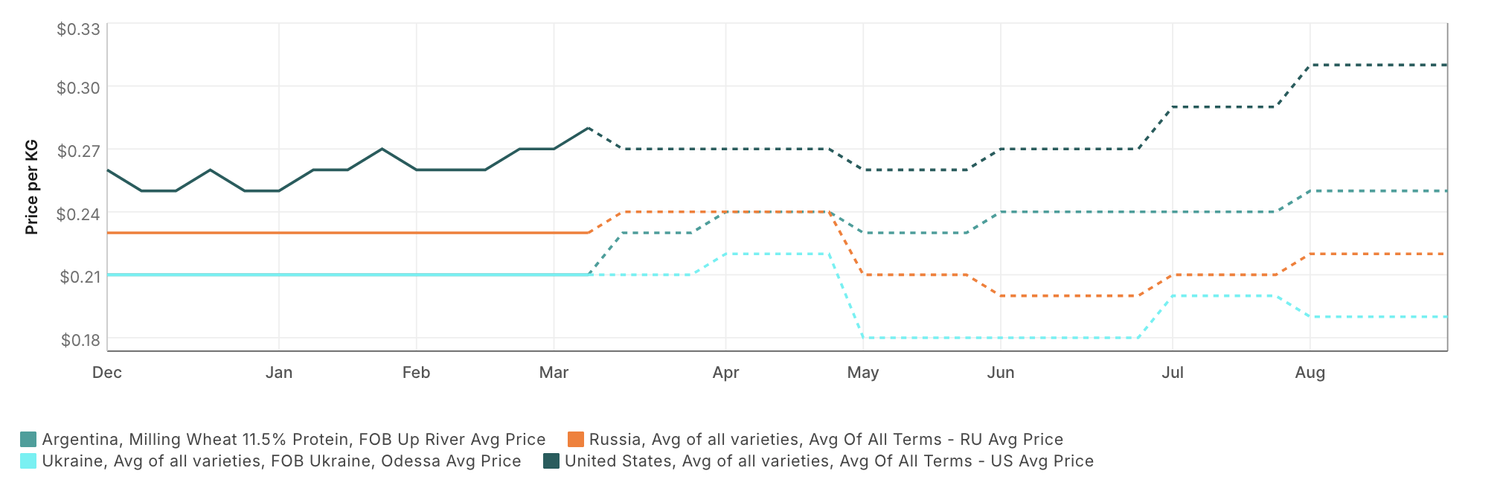
That's not a rounding error. It's a structural rebalancing. And it's happening at the same moment Argentina's climate risk has spiked to 74% — rated High.

When the cheapest origin in the global market becomes expensive, the entire pricing floor shifts. Buyers who locked in Argentina as a fallback are about to discover they no longer have one.
What Does Wheat Volatility Mean for Beer Supply Chains in 2026?
Wheat doesn't sit in isolation. Barley — the backbone of the brewing supply chain — shares nearly identical climate exposure zones with wheat. The same Black Sea regions driving wheat quality risk are primary growing regions for malting barley.
Hops are under separate but compounding pressure: Pacific Northwest climate volatility, European drought, and a multi-year supply tightening cycle that predates the current geopolitical noise.
Brewers are being squeezed from three input directions simultaneously. Most are only watching one.
The procurement window to lock in favorable contracts for the back half of 2026 is narrowing — not widening. The teams acting now are doing so on intelligence that isn't in the public data yet. The teams waiting for headlines to move are going to be reacting to a market that already moved.
Don't come to learn there's a problem. Come to leave with a plan.
On March 31, procurement and category leaders at AB InBev and formerly at Molson Coors are breaking down exactly what's coming for beer inputs — and what to do about it before your next contract cycle.
RSVP TO THE WEBINAR


.png)

Personalized commodity intelligence for the teams that feed the world.
