
What did Climate Week NYC 2026 reveal about food supply risk?
Climate Week NYC 2026 takeaways on food supply concentration, 2027 price risk, shrinking sustainability budgets and why climate risk is still unpriced.

September 29, 2026
3 min read

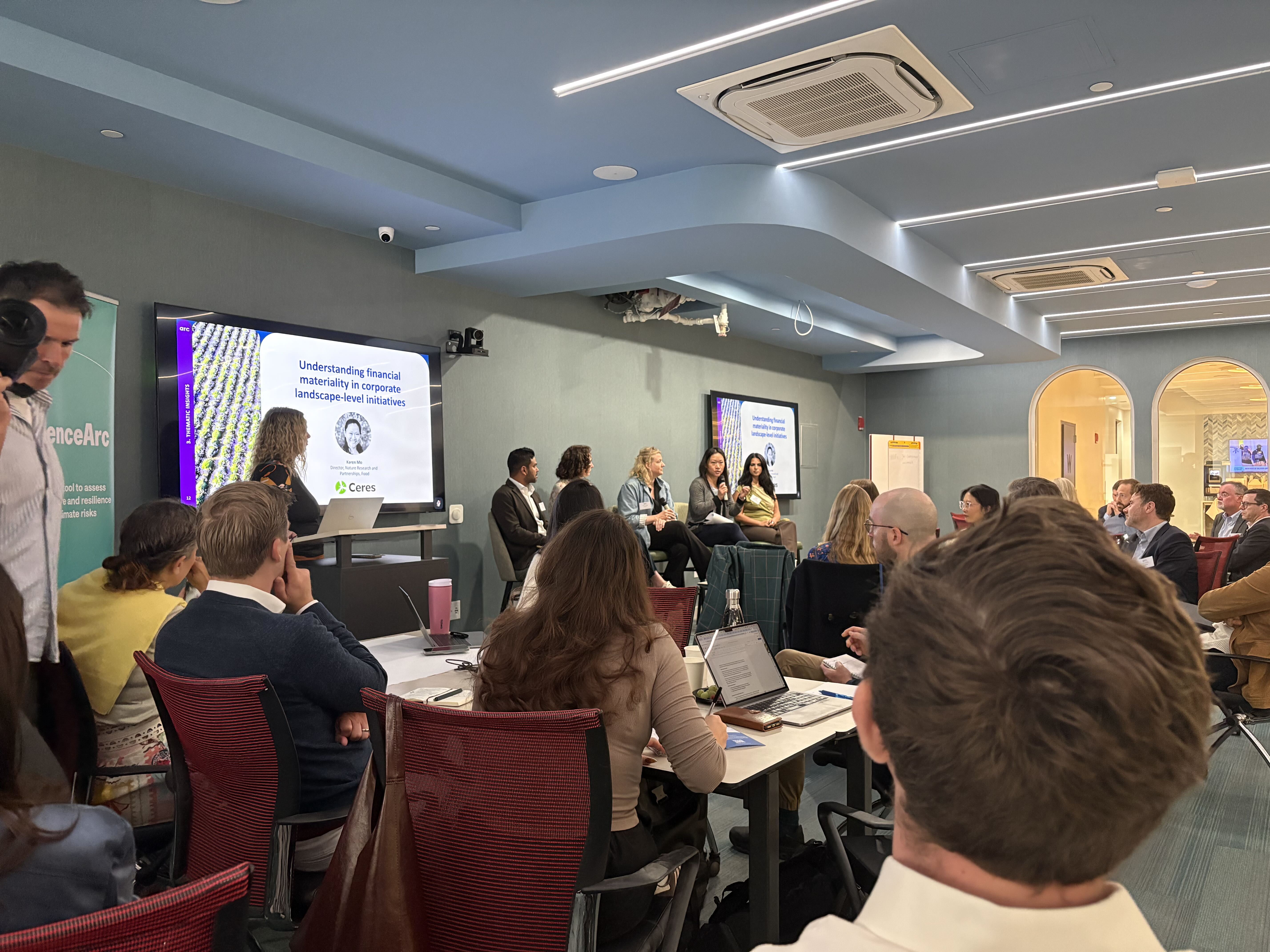
Climate Week NYC 2026 made one thing clear: the global food system is heading into 2027 more exposed than current prices suggest. The Helios AI team spent the week at The Wall Street Journal's Journal House, the Financial Times and Bloomberg houses, Arc's agrifood workshop and a series of closed-door sessions with banks, insurers, food companies and development organizations. The same few themes came up everywhere we went.
The mood was split in an interesting way. People in agriculture are genuinely optimistic about what AI and better data can do for the sector. They are also deeply pessimistic about what next year's harvests will look like.
Why did Climate Week 2026 feel different from past years?
The conversation has moved on from whether climate change is happening to who pays for it. One panelist said the time for activism has passed, because the impacts are no longer a forecast. Whatever anyone believes about the causes, weather is more volatile and it is already showing up in yields, input costs and margins.
Another speaker offered an analogy that our CEO Francisco Martin-Rayo shared from day one. The food system was built like a car doing 300 miles per hour on a straight road in perfect weather. Now it has started to rain and the road is full of turns. Companies that haven't built resilience into their supply chains will not keep growing at the same speed. Almost every conversation we had came back to three practical questions. Where will supply break next, who carries the risk when it does, and what data is reliable enough to act on before it happens?
How concentrated is the global food supply?
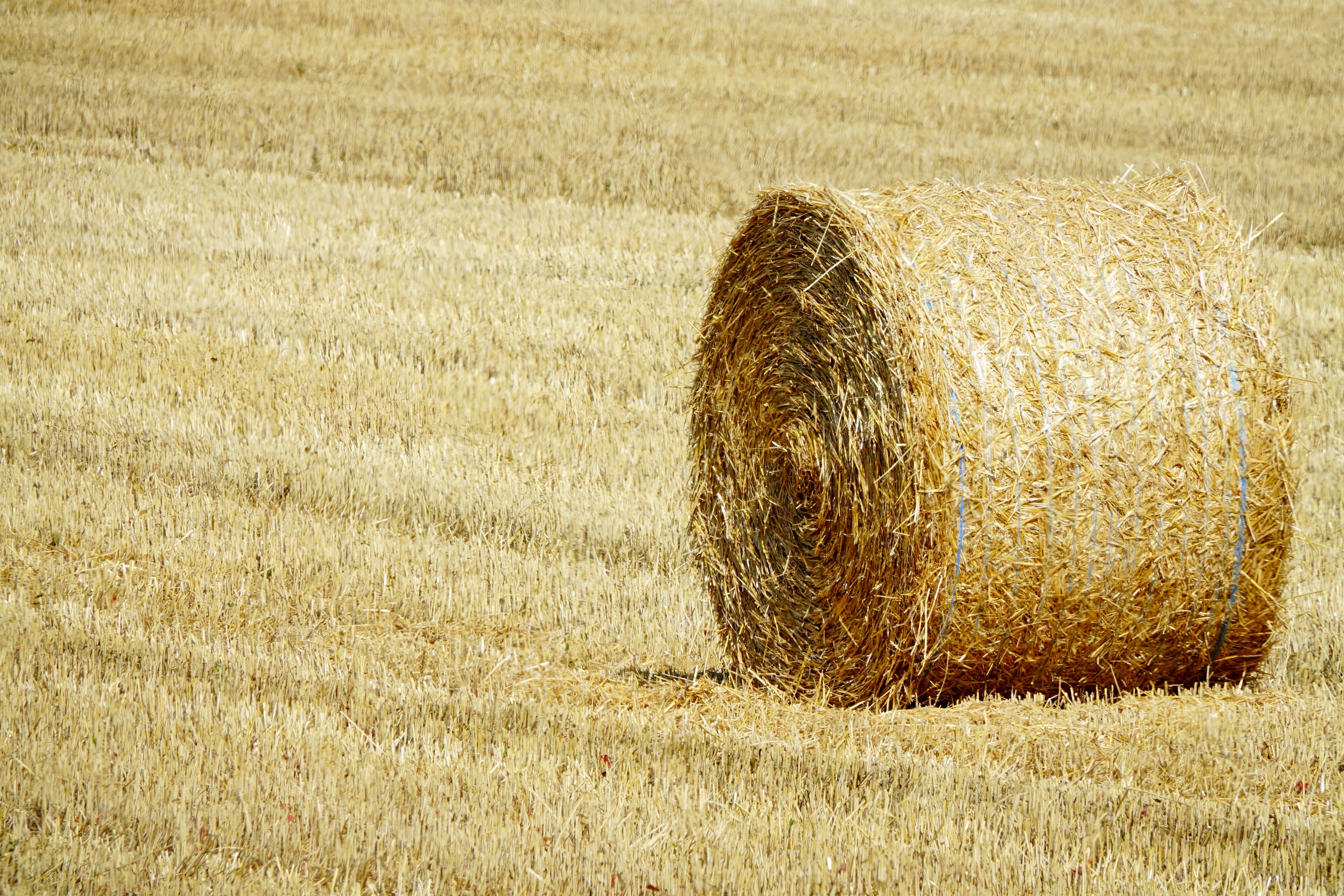
Far more than most buyers assume. According to figures discussed at Journal House, 70% of the world's food comes from just 15 countries, and 60% of production sits in only nine crops.
Most procurement teams believe they are working with a diversified supply base that has plenty of options if something breaks. The reality is closer to the opposite. When a key origin for a commodity has a bad year, and then a second origin does too, the whole supply chain is suddenly at risk. The cause could be climate, geopolitics or trade policy, and increasingly it is more than one at once. That concentration is the part of food supply risk that most people have not priced in yet.
Why haven't food prices spiked since the Strait of Hormuz closed?
They rose far less than expected, but the calm is borrowed. When the strait closed, most commodity intelligence firms, Helios AI included, expected global food prices to rise by more than 10%. They rose about 4%. That gap prompted Francisco and Janti Soeripto, President and CEO of Save the Children US, to publish an op-ed in Devex during Climate Week on where global food supply goes from here.
Their argument is that the conditions that held prices down this year are not repeatable. Fertilizer volumes are down nearly 30% year on year, which means less fertilizer on fields ahead of the next growing season. Black Sea wheat supply is thinning. NOAA now puts the odds of a very strong El Niño above 90%, arriving right over Brazil's planting window. Higher diesel costs came up in nearly every conversation about 2027 production too.
The op-ed is clear about how this will likely show up. It won't look like famine on the news. It will look like full shelves and families who can't afford what's on them. That affordability gap is exactly what the Helios AI Hunger Exposure Index was built to track.
Explore the Hunger Exposure Index
What is happening to corporate sustainability budgets?
They are shrinking, even as climate disruptions grow. We heard again and again that sustainability teams are being cut, folded into communications or corporate affairs, or asked to take on more with fewer resources. The same companies are dealing with more supply disruptions than ever before.
The result is that climate risk is changing owners. It is moving out of the sustainability report and into procurement, treasury and risk management, where every decision has to show up in cost, margin or revenue. There is also a gap in planning horizons. Long-range questions, like where cocoa can still be grown in ten years, mostly get attention at the chief procurement officer level. Teams below that typically plan 12 to 24 months ahead, so any climate insight they use has to fit that window.
How are companies helping smallholder farmers adapt to El Niño?
By getting better forecasts and practical guidance into farmers' hands. That was the focus of Arc's workshop, "Addressing blindspots in the agrifood transition," which looked at El Niño's impact on growers and producers in Africa. Arc's TransitionArc platform maps emerging physical climate risks and how they will reshape agrifood supply chains.
The panel brought together Keurig Dr Pepper, Root Capital, KickStart International and Digital Green. They discussed how companies and investors are helping farmers anticipate conditions and adopt new practices to protect their yields. One thread ran through the whole session. Weather is the question farmers ask most often, and the organizations serving them are now looking for outside climate data to answer it well. The room also wrestled with a tension that nobody claimed to have solved: how to fund sustainability across the whole supply chain when the market's main goal is keeping agricultural commodity prices low.
Is climate risk priced into agricultural assets?
Mostly not. Many investors putting money into agricultural and food assets still aren't factoring in the level of disruption ahead. Volatility is expected to keep rising over the next 10, 20 and 30 years, and assets priced without that risk can end up worth far less than their owners expect.
Part of the problem is that the market lacks a shared measure. Ask how a major soybean crop is performing under this season's weather and you'll get several answers that don't agree. Banks, insurers and reinsurers told us they want a common reference point so they can price and transfer climate risk. Much of the weather insurance available to growers today pays out on simple rainfall thresholds, which rarely match how a specific crop responds to stress.
What should procurement teams do before 2027?
Start treating climate risk as a sourcing and cost question now, before the pressure shows up in prices. That means knowing how concentrated each category is by origin, tracking the signals that come before a disruption, and working on the 12 to 24 month horizon where most buying decisions are made.
.png)

Personalized commodity intelligence for the teams that feed the world.
